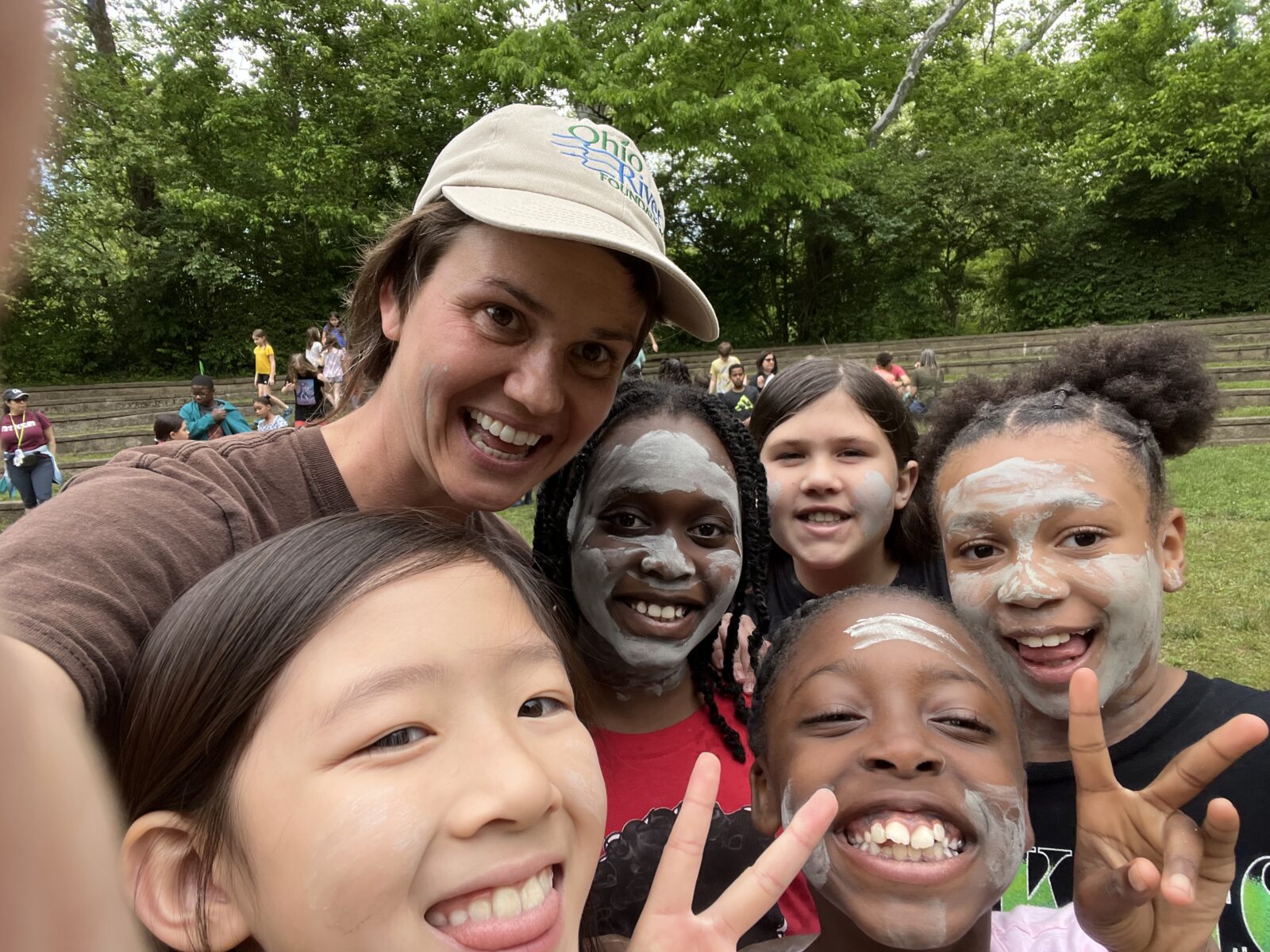


River Explorer is a field trip that puts students ankle-deep into local waterways, providing immersive and powerful nature experiences with real science applications. Students use field-grade science equipment and techniques as they assess water quality and collect live specimens.
Students will learn about the water cycle, real-world ecological field methods, aquatic species identification and population monitoring, water chemistry, and many other topics. For grades 4-12. Offered in Greater Cincinnati.
Starting in the 2026/2027 school year, the River Explorer program fee will increase to $8/ student. This is an incredible value for a 4+ hour immersive nature and science experience in the water!
What is River Explorer?
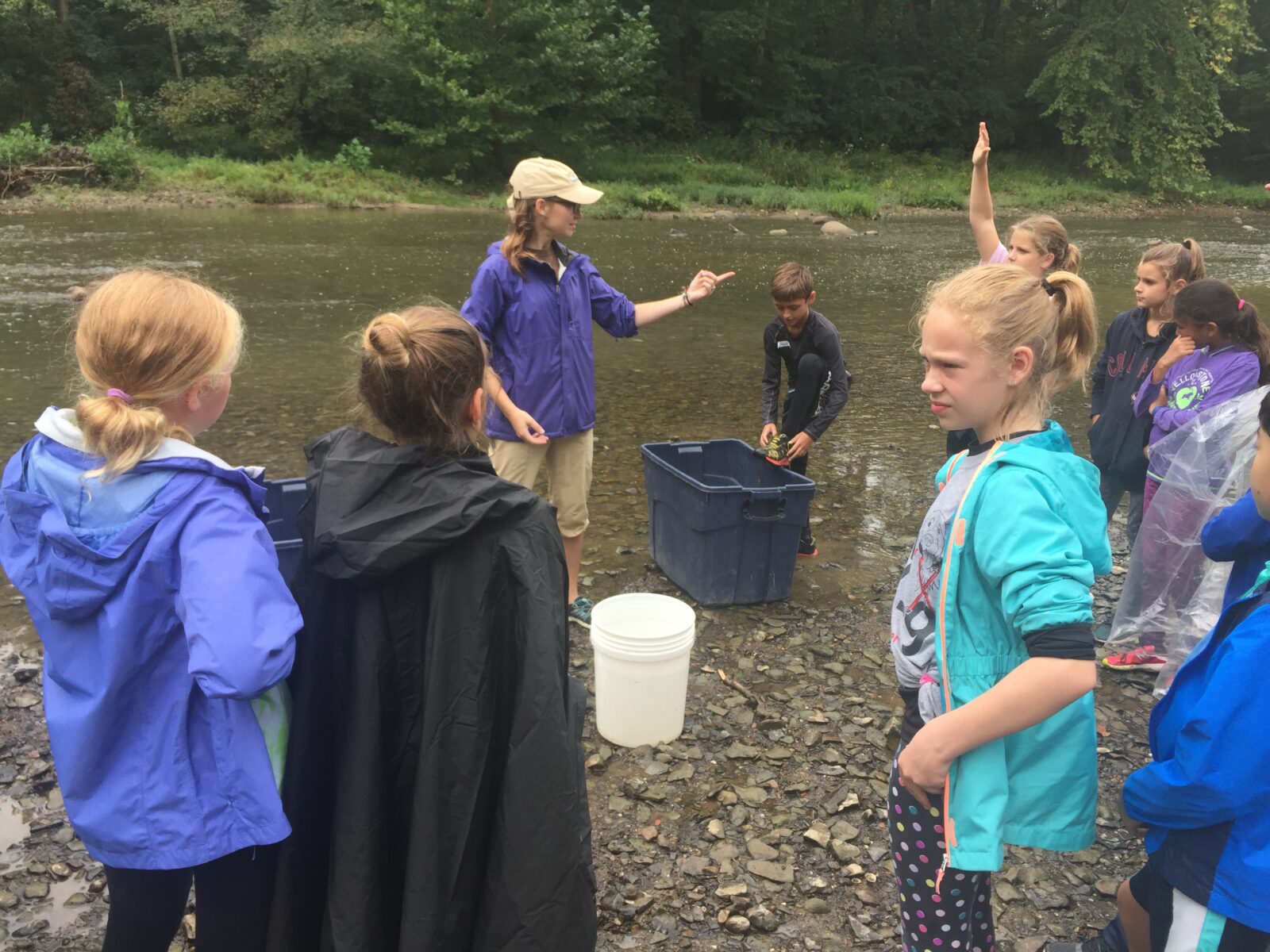
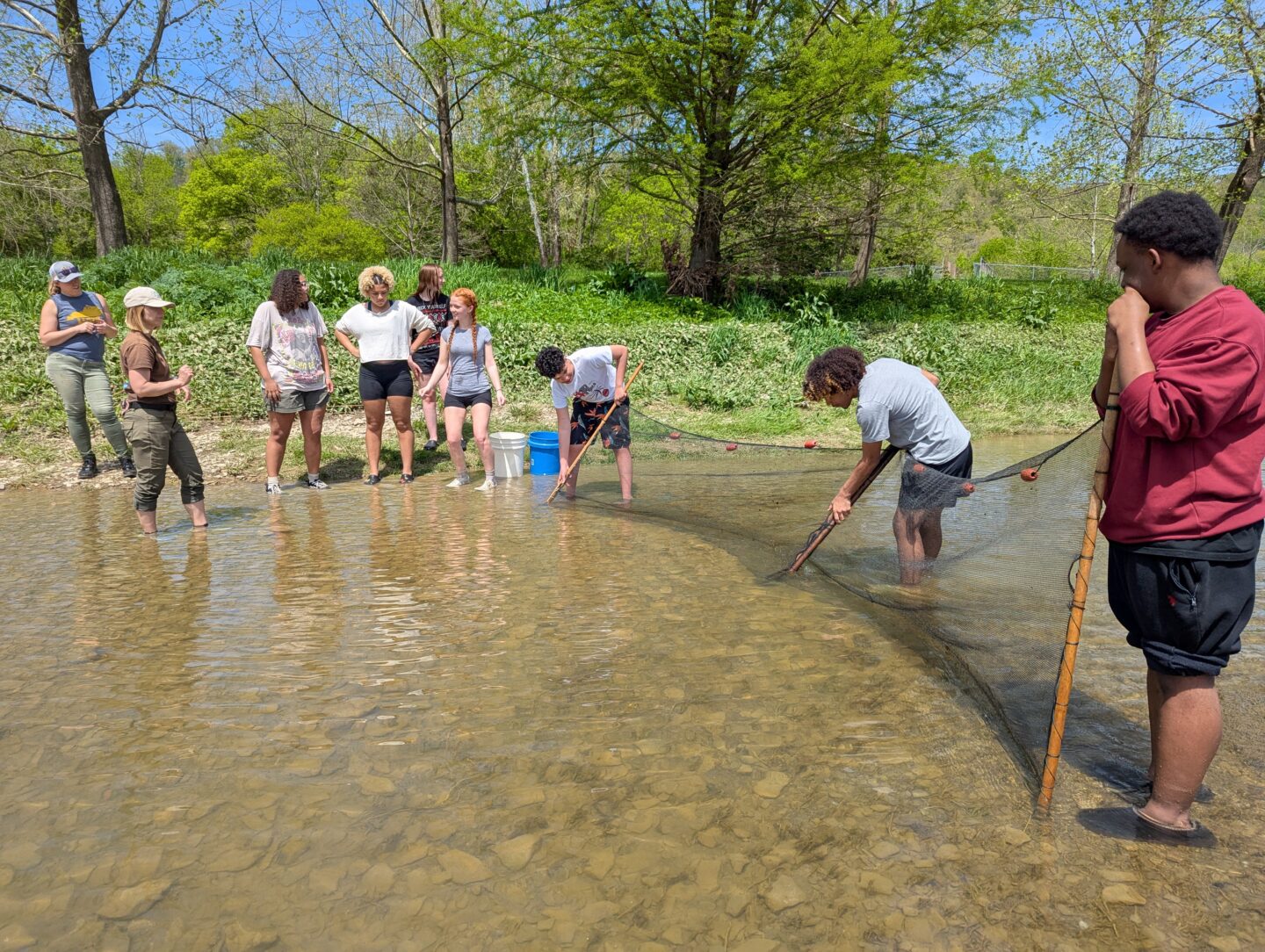
Using nets, live specimens, and field-grade equipment, students are junior scientists for the day during this exciting learning experience. This hands-on education program is designed to help students learn about the ecology and importance of the Ohio River, its tributaries, and its watershed. The program is delivered in and along the rivers, streams, and creeks in Greater Cincinnati including sites in Ohio, Indiana, and Kentucky.
Leading students through the scientific process using real field research methods, we connect the concept of watersheds to school STEM core content, teach students about Ohio River watershed ecology, and involve students in water quality and ecology activites. Students learn about the differences, structures, and interactions between and in aquatic and terrestrial ecosystems and how they function in a watershed. We predict, formulate methods, collect data, interpret data, and share findings. The experience is guaranteed to make students look at the world of water in a new light!
Schools may select from one of six local river sites as the location of their River Explorer field trip.
Activities incorporate discussions of the relationships between food web, habitat, and chemistry concepts. Classes rotate through three learning stations:
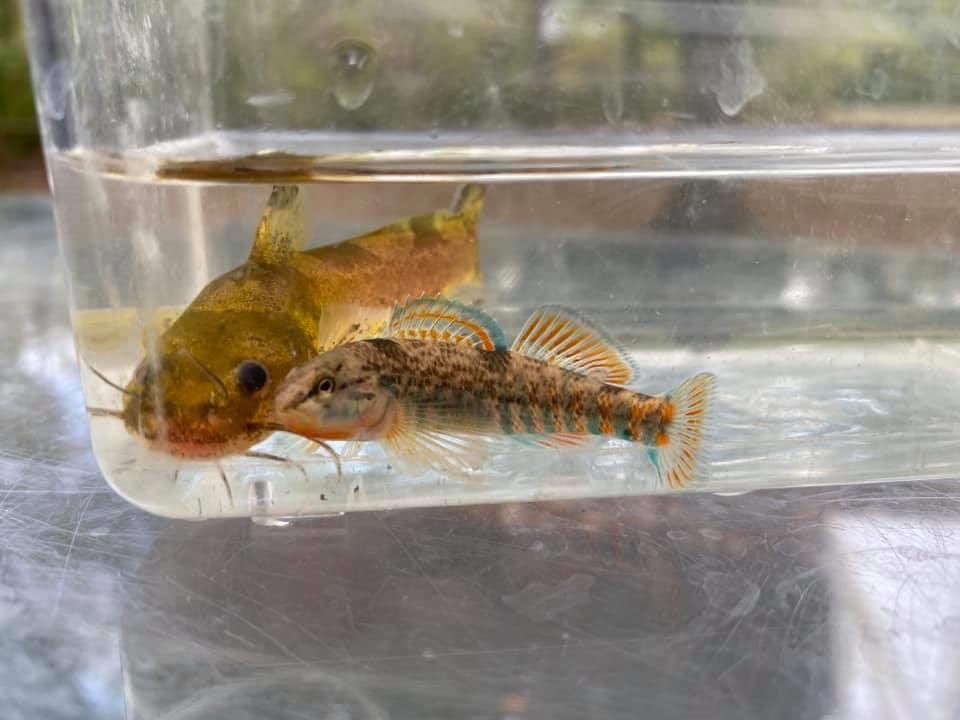
Seining and Fish Study (all grades) – Working in small teams, students fish with a seine net in the river and collect their catch. Depending upon the students’ height and site location, they may get wet up to their knees or waist. Students learn about fish adaptations, practice fish identification, and complete a bio-assessment of the river’s health using the data they gather on the fish they have collected.
Aquatic Macroinvertebrate Study (all grades) – Students enter the river, wading up to their ankles/knees to collect macroinvertebrates. We then identify the macroinvertebrate family groups found and compile this data to complete a bio-assessment to determine the river’s health.
The third station varies depending on the students’ grade level.
River Chemistry (grades 6-12) – Students test samples of river water for dissolved oxygen, temperature, conductivity, turbidity, PH, phosphates, and other characteristics. In doing so, they learn why these hidden parameters are so important to river health and species longevity and vitality.
Water Use and Water Cycle (grades 4-5) – Through interactive demonstrations, group activities, and games, students learn the water cycle and the impact human activities have on the health of the river.
For grades 6-12, we also complete a habitat assessment to help illustrate for students the connection between land and water and biotic and abiotic features necessary for a healthy ecosystem.
Pricing: $8 per student. Minimum fee is $300.
A limited number of scholarships are available through our Rivers to Classrooms Education Access Fund.
River Explorer Site Locations
- (Loveland, OH) Nisbet Park – Little Miami River (120 students max)
- (Loveland, OH) Lake Isabella Park – Little Miami River (60 students max)
- (Batavia, OH) Sycamore Park – Little Miami River (120 students max)
- (Sharonville, OH) Sharon Woods Park – Sharon Creek (60 students max)
- (Guilford, IN) Guilford Bridge Park -Tanners Creek (120 students max)
- (Covington, KY) Pioneer Park – Banklick Creek (120 students max)
The Scheduling Process
Apply online here for a program occurring late August through late October or early April through late May, Monday through Friday only. Please provide several date options. We will review your request and respond to you in 3-5 business days.
River Explorer programs fill up quickly. With limited days available during fall and spring not all requests can be accommodated. We schedule on a rolling basis throughout the year, and dates are first-come, first-served. Don’t delay and submit your application today!
Pricing: $8 per student. Minimum fee is $300.
A limited number of scholarships are available through our Rivers to Classrooms Education Access Fund.
We can serve a maximum of 120 students per program (some sites have a smaller limit). At least one chaperon is required per 15-20 students.
Once you have booked, we will share more detailed information about the field trip, what to wear, and how to prepare.
Rivers to Classroom Education Access Fund
The Rivers to Classrooms Education Access Fund is a vital step toward leveling the playing field and ensuring every student has access to impactful nature-based, STEM programs.
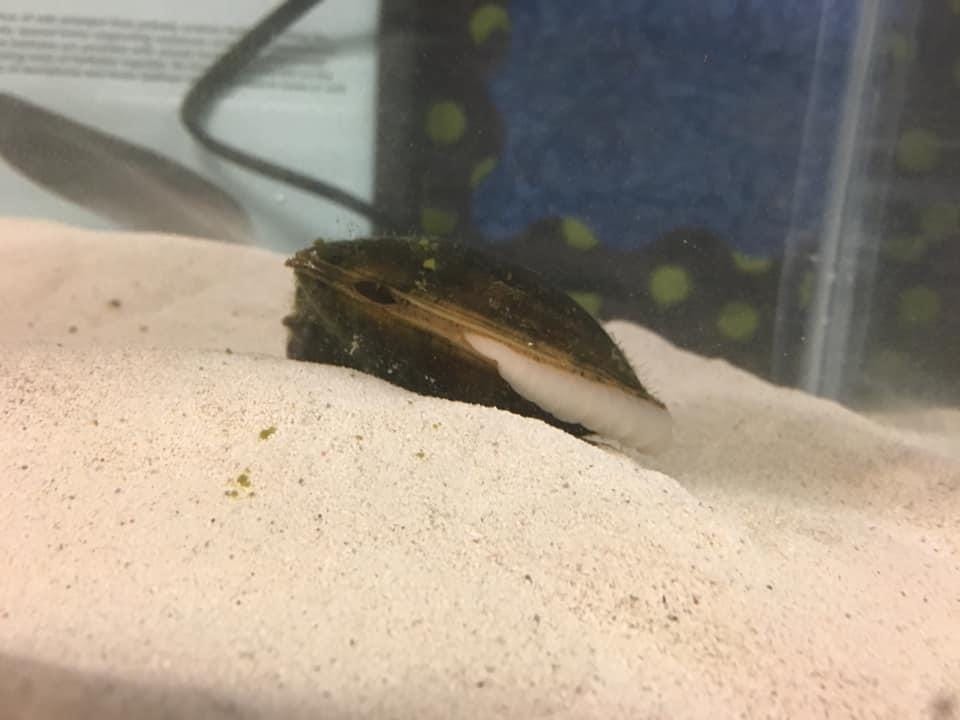
Ohio River Foundation’s Rivers to Classroom Education Access Fund offers access to our two flagship programs, River Explorer field trip (4-12 grade) and Mussels in the Classroom (K-12 grade). It provides a limited number of River Explorer field trips for free (normally $8 per student) and a limited number of Mussels in the Classroom programs for $100 (normally $200 per program).
The Rivers to Classroom Education Access Fund provides free or discounted program fees only. For the River Explorer field trip transportation, meals, chaperones, etc. are not included and must be provided by the school.
Each year, funding availability is subject to change, and assistance is awarded based on need and a first come, first serve basis.
For the application you will need:
- Proof of financial need: funds will only be awarded to schools with over 60% or more of the student population receiving free or reduced lunch. You must share your school’s percentage of students that qualify for free or reduced lunch.
- Contact information: names, emails, and cell phone numbers of teachers attending.
- Program information: estimated number of students, grade levels of students, and preferred program.
Apply for the Rivers to Classrooms Education Access Fund here.
Next Generation Science Standards Alignment

History of River Explorer
Introduced in 2007, River Explorer was the first education program offered by Ohio River Foundation and has remained incredibly popular and in high demand ever since.
We provide high-quality, accessible science programming to the Greater Cincinnati region, serving over 9,000 students and teachers per year. We have a proven track record of fun, engaging, and effective programming as evidenced by our ever-increasing participation numbers, excellent teacher feedback, and improved student science knowledge.
Teachers rate our programs at a 4.9 out of 5 in evaluations. Student knowledge of watershed ecology as measured in surveys administered before and after our programs show an average improvement of over 50%. We work with a wide range of partners to deliver cutting-edge science programming grounded in real-world conservation science. There is a tremendous need for quality, hands-on science programming, and we are working hard everyday to respond to this increasing demand.